Table of Contents
- Defining Builders Risk Insurance and Its Crucial Role
- The “Four Ws”: Who Needs It, What It Covers, When It Applies, and Why It’s Mandatory
- Understanding All-Risk vs. Named-Peril Policies
- Exclusions: What Builders Risk Absolutely Does NOT Cover
- The Difference Between Hard Costs and Soft Costs
- The Policy Lifecycle: From Commencement to Completion
- Contractual Requirements: Linking Builders Risk to Legal Agreements
- Best Practices for Procurement and Claims Management
1. Defining Builders Risk Insurance and Its Crucial Role
Construction is the most vulnerable phase in a property’s life cycle. According to the National Fire Protection Association (NFPA), U.S. fire departments respond to more than 4,300 fires each year at buildings under construction, causing roughly $370 million in direct property damage annually. Fire remains the leading cause of loss on construction sites, even before factoring in weather, theft, or vandalism.
Theft is another major and rapidly escalating exposure. Industry data shows that theft-related losses have moved well beyond historical norms. Cargo and construction-related theft losses surpassed $1 billion in 2023, increased another 27% in 2024, and are projected to reach approximately $1.55 billion annually by the end of 2025, according to CargoNet estimates. The average value of a single theft now exceeds $202,000, and recovery rates remain low. These losses most often occur during early construction phases, when sites are open, materials are staged, and permanent security measures and building envelopes are not yet in place.
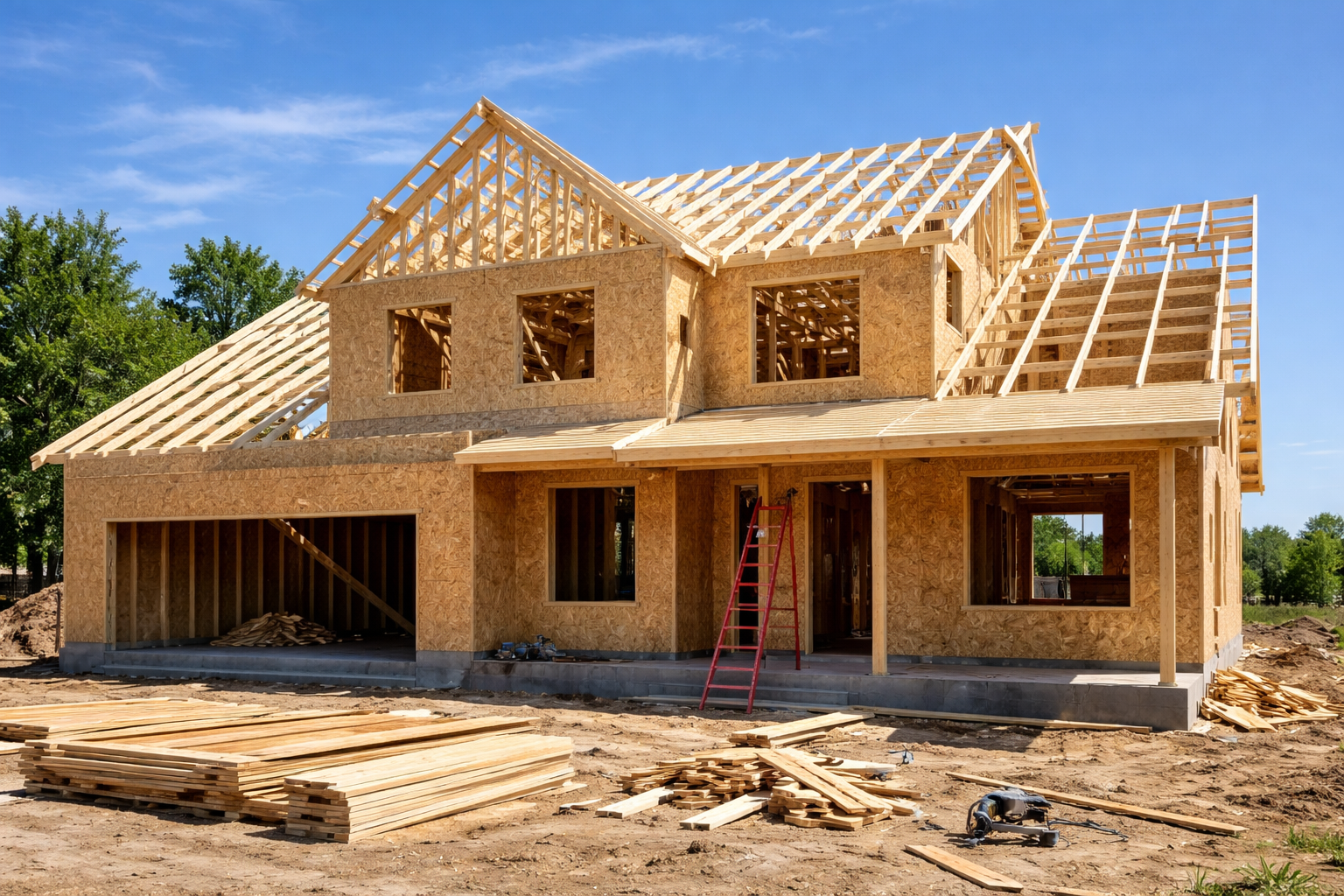
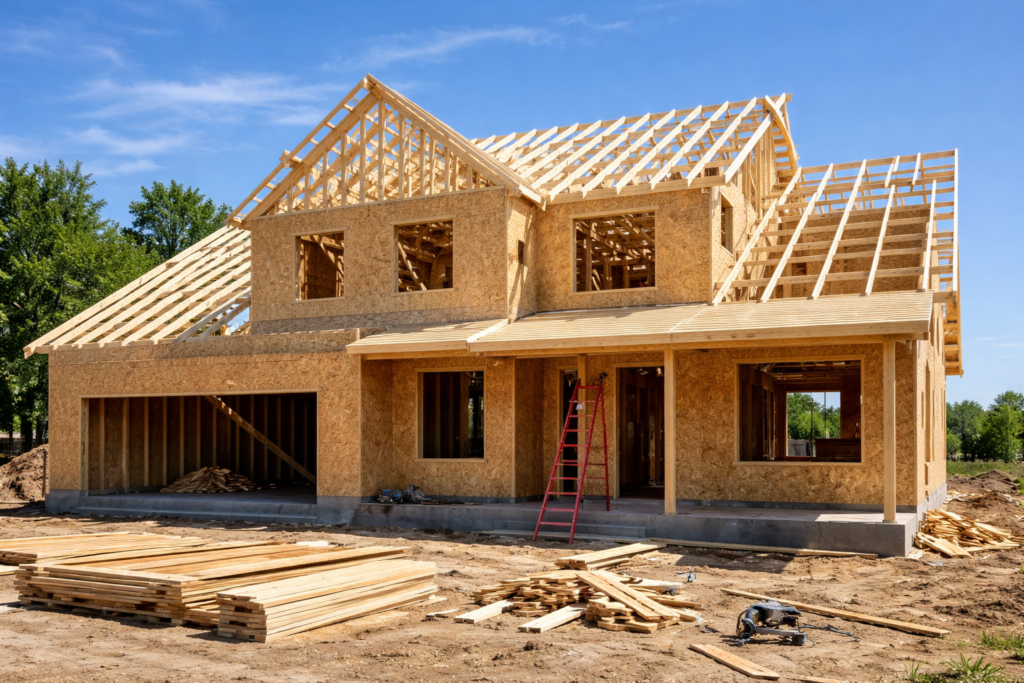
Builders Risk Insurance, also known as Course of Construction (COC) Insurance, is specifically designed to protect buildings and materials during this high-risk window. It is a form of property insurance, covering the physical structure and materials while a project is under construction or major renovation.
Builders Risk must be clearly distinguished from General Liability insurance. Builders Risk protects the asset being built, while General Liability covers third-party injury or property damage. In today’s construction environment, Builders Risk is not optional; it is required by lenders and mandated by standard construction contracts before work can begin.
2. The “Four Ws”: Who Needs It, What It Covers, When It Applies, and Why It’s Mandatory
Who Needs It
The parties insured under a Builders Risk policy depend primarily on the construction contract. Commonly insured parties include:
- The property owner
- The general contractor
- Subcontractors (often via blanket or endorsement coverage)
In owner-controlled projects, the owner typically purchases the policy. In contractor-controlled projects, the general contractor may procure it. Industry-standard contracts such as AIA documents often dictate who is responsible.
The key requirement is that all parties with a financial interest in the project are protected under a single policy, reducing coverage disputes after a loss.
What It Covers
Builders Risk covers physical loss or damage to:
- The structure under construction
- Foundations and framing
- Temporary structures (scaffolding, fencing, formwork)
- Construction materials and supplies:
- On-site
- In transit
- Temporarily stored off-site (within policy limits)
Coverage is designed to follow the project, not just a static location.
When It Applies
Coverage typically begins when:
- Construction starts, or
- Materials are first delivered to the job site
Coverage ends at the earliest of:
- Substantial completion
- Occupancy (even partial)
- Owner acceptance
- Project being put to its intended use
- Policy expiration date
This transition period is one of the most common sources of coverage gaps.
Why It’s Mandatory
Builders Risk is mandatory because:
- Lenders require it to protect their collateral
- Construction contracts mandate it as a condition to proceed
- Without it, a single fire or storm can bankrupt a project
No institutional lender will fund a construction project without proof of adequate Builders Risk coverage.
3. Understanding All-Risk vs. Named-Peril Policies
The Industry Standard: All-Risk Coverage
“All-Risk” (or “Special Perils”) coverage is the industry standard and is required by most lenders and contracts.
All-Risk coverage means:
Everything is covered except what is specifically excluded.
This is a critical advantage because the burden of proof shifts to the insurer to demonstrate that an exclusion applies.
Common Covered Perils Under All-Risk Policies
- Fire and smoke (the leading cause of construction losses)
- Windstorm, hail, lightning
- Theft of materials and fixtures
- Vandalism
- Explosion
- Vehicle or aircraft damage
Named-Peril Policies
Named-Peril policies cover only the risks specifically listed in the policy (for example, fire only). These are generally inferior, cheaper, and unsuitable for professional construction projects. They are rarely accepted by lenders.
4. Exclusions: What Builders Risk Absolutely Does NOT Cover
Understanding exclusions is essential because coverage depends on them.
Standard Exclusions
- Design or professional errors
Covered by Professional Liability (E&O), not Builders Risk. - Faulty workmanship or materials
The cost to fix poor work is excluded, though resulting damage may be covered. - Wear and tear, rust, corrosion
- Government action
Zoning changes, condemnation, or permit revocation. - Earth movement
Earthquake, landslide, mudflow (requires endorsement). - Flood
Requires a flood endorsement or separate NFIP policy. - War and nuclear hazards
- Contractual penalties
Liquidated damages or delay penalties are not covered.
Key Endorsements to Consider
- Ordinance or Law Coverage
Pays for increased costs due to updated building codes after a loss. - Testing Coverage
Covers damage during testing of systems like HVAC or electrical. - Delay in Completion / Soft Costs Coverage
Essential for income-producing projects.
5. The Difference Between Hard Costs and Soft Costs
Hard Costs
Builders Risk limits are based on total completed value, excluding land. This includes:
- Materials
- Labor
- Contractor overhead and profit
Policies must be updated as project costs increase. Failure to do so can trigger coinsurance penalties, reducing claim payouts.
Soft Costs
Soft costs are financial losses caused by project delays due to covered perils.
Examples include:
- Extended construction loan interest
- Additional real estate taxes
- Loss of rental or business income
- Extra architectural or engineering fees
- Increased marketing and leasing expenses
Soft cost coverage is not automatic and must be added by endorsement.
6. The Policy Lifecycle: From Commencement to Completion
Coverage Begins
- Policy issued
- Construction starts or materials delivered
The Critical Transition Point
Coverage ends at the earliest of:
- Occupancy
- Owner acceptance
- Intended use
- Policy expiration
This transition must be carefully managed.
Post-Completion Risk Management
Before Builders Risk ends, the property must transition to:
- Commercial Property Insurance, or
- Homeowners Insurance (for residential builds)
Failure to do so creates an immediate coverage gap.
7. Contractual Requirements: AIA & ConsensusDocs
Builders Risk insurance is governed by the construction contract. Who purchases the policy, who is insured, and how losses are handled are not optional decisions—they are defined by contract language. The two most common frameworks are AIA documents and ConsensusDocs.
If the insurance does not match the contract, coverage disputes are likely after a loss.
AIA A201 – General Conditions
Under AIA A201, the Owner is typically required to purchase and maintain Builders Risk insurance for the full value of the work (excluding land).
Key points:
- One Builders Risk policy is intended to cover the entire project, not individual trades.
- The policy protects the work of the Owner, General Contractor, and subcontractors while it is part of the project.
- Contractors are not buying the policy, but their work is protected under it.
This structure avoids multiple overlapping property policies and ensures that physical damage is handled by one insurer, regardless of which trade was affected.
ConsensusDocs
ConsensusDocs allows more flexibility. Depending on the agreement:
- Either the Owner or the Contractor may be responsible for purchasing Builders Risk.
- Insured parties and limits must be clearly stated in the contract.
- Risk allocation is more explicitly negotiated.
Regardless of form, the rule is the same:
The insurance must follow the contract exactly.
Certificates of Insurance (COIs)
A COI is proof of insurance, not coverage.
In Builders Risk:
- Owners provide COIs to lenders and contractors.
- Contractors and subcontractors may be required to confirm they are included under the Builders Risk program.
- COIs do not grant rights or override exclusions.
Only the policy and endorsements control coverage. Relying on a COI alone is a common and costly mistake.
Waiver of Subrogation
A Waiver of Subrogation prevents the insurer from suing contractors or subcontractors after paying a covered Builders Risk claim.
Without a waiver:
- The insurer pays the claim
- Then sues the contractor it believes caused the damage
- The contractor sues subs
- The project turns into litigation
Under AIA A201 and many ConsensusDocs agreements:
- All parties waive claims against each other for damage covered by Builders Risk
- The insurer accepts Builders Risk as the sole recovery mechanism
This keeps losses from turning into lawsuits and preserves project relationships.
8. Best Practices for Procurement and Claims Management
Procurement Best Practices
- Engage brokers who specialize in construction risk
- Purchase coverage early
- Update limits and timelines as projects change
- Review endorsements carefully
Claims Management
- Report losses immediately
- Document materials, labor, and milestones
- Maintain accurate cost records
- Coordinate closely with adjusters
Final Thought
Builders Risk insurance is complex, contract-driven, and non-standard. A poorly structured policy can jeopardize an entire project after a loss. The difference between basic coverage and a properly designed Builders Risk policy can determine whether a project survives or fails.
Need Builders Risk Insurance? Get your free and easy quote today.